
Austin, Texas · a buyer's research file
Buy a home in Austin with your eyes open
This isn't a listings portal and it isn't a brokerage brochure. It's the working file we'd keep for ourselves, the neighborhoods, what the market is actually doing, what Texas property tax really costs, and how a Central Texas closing works, in plain language.
Why this file exists
Notes a careful buyer would keep
Most Austin real-estate sites want to put you in front of a listing. This one wants to put you in front of the facts first. The pages here are field notes, honest about trade-offs, clear about costs, and pointed at the primary sources so you can check everything yourself. Price ranges are typical asking ranges, not appraisals; neighborhood and school notes are summaries meant to send you to the county records and the campus, never to replace them.
No listings pitch just the notesReal costs property tax includedTexas-specific option period, TREC, title co.Checkable sources cited
Austin cooled off hard from its 2022 peak, and a buyer today has more room to negotiate than at any point since 2019. That's good news, but only if you go in knowing the numbers. These notes help you do that.
The lay of the land
Where people are buying
Austin is really a dozen small towns wearing one city's name. A rough map of who buys where, and why.
Close-in & central
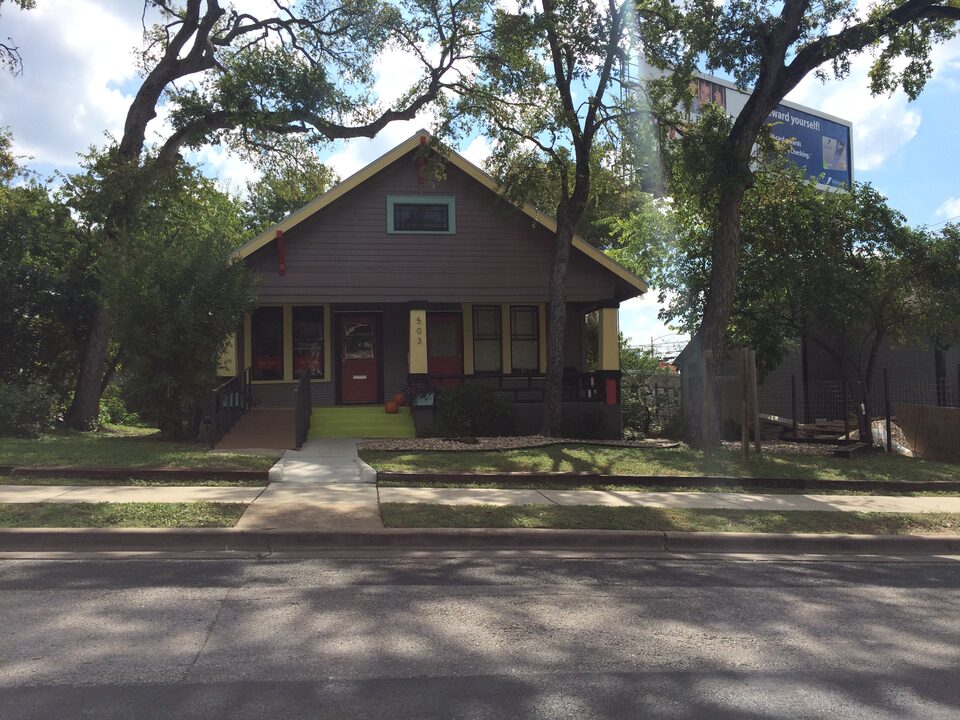
South Congress, East Austin, Hyde Park, Travis Heights, Mueller. Walkable, full of character, a short hop to downtown and the greenbelt. You pay for the location, roughly $500K into the seven figures, and older homes come with older-home surprises. This is where lock-and-leave condos and renovated bungalows compete for the same buyer.
Family suburbs
Cedar Park, Leander, Round Rock, Pflugerville, Circle C. The value play: newer homes, strong school districts, and yards, for roughly $350K–$550K. The trade is commute and sameness. Builders here are the most willing to deal, rate buydowns and closing credits are common.
The Hill Country edge
Bee Cave, Lakeway, Dripping Springs, Georgetown. West and north of town you trade some convenience for space, views, and quiet — Lake Travis access, winding roads, and limestone hills. Prices range widely, and well water, septic, and wildfire exposure are real line items to check.
Every budget has a street
From a $350K suburb to a seven-figure bungalow
A first-time buyer with a suburban budget and a downsizer who wants to walk to coffee are shopping two different Austins, and both can win in this market. Central neighborhoods reward patience and a good inspector; the suburbs reward buyers who'll negotiate with a builder. Know which one you're in before you fall for a house.
Eyes open
What the market is doing
The short version: corrected, calmer, and tilted toward buyers who plan to stay a while. The numbers behind that.
Down from the peak
The metro median sits near $450K, off the roughly $550K high of May 2022. Expect modest growth from here, not another pandemic surge.
A balanced market
Four to five months of supply means bidding wars are rare. Rates have run in the 6–7% range; builders often buy them down below five.
Property tax
No state income tax, but 1.8–2.2% property tax, roughly $8,100–$9,900 a year on a $450K home. File the homestead exemption; it's free money.
What moves the price
Schools are priced into the lot
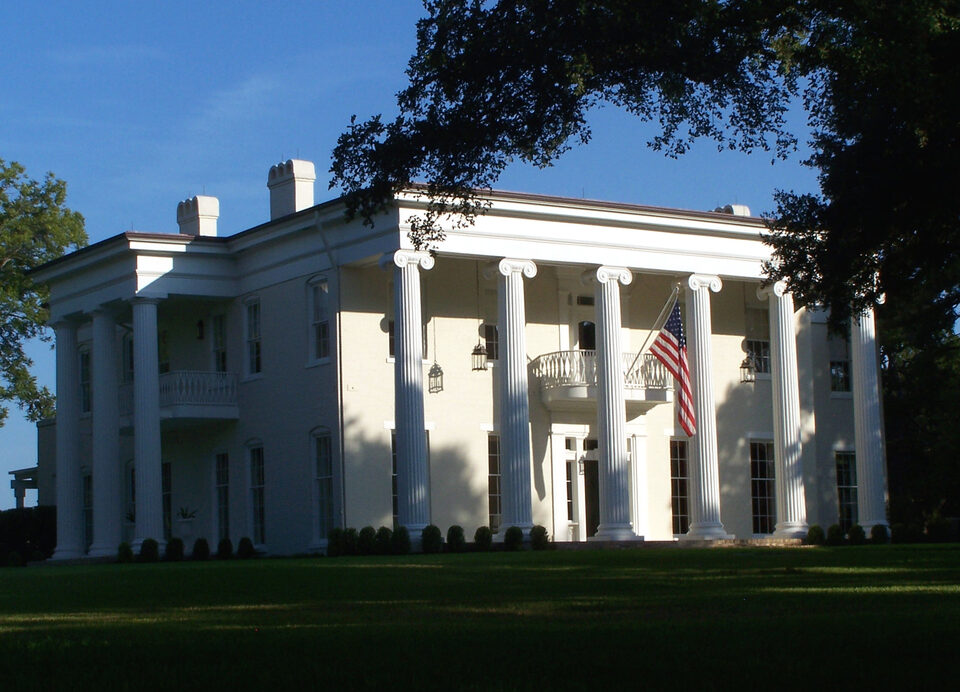
In Austin the school district is half the listing price. Eanes ISD anchors the top of the market around West Lake Hills and Bee Cave; Lake Travis, Leander, and Round Rock ISDs are all strong, with Leander often the best value, good schools at suburban prices. Austin ISD is a patchwork of standout campuses and struggling ones, so research the individual school, never just the district rating.
District notes
The districts, in one breath
Eanes ISD
West Austin and Bee Cave. The consistent top of the metro, and home values track it. Westlake High leads on both academics and Friday nights.
Leander & Round Rock ISD
The northwest growth corridor. Large, well-funded, newer facilities, and the best schools-per-dollar in the metro. Round Rock's Westwood is a perennial standout.
Austin ISD
Central Austin, and a real mix. Magnet and flagship campuses (LASA, Kealing, Casis, Barton Hills) sit alongside struggling ones. Check the campus, not the district.
The part newcomers miss
How a Texas closing actually works
Texas does a few things differently from almost everywhere else. Get these right and nothing at the closing table surprises you.
The option period
For a small option fee, think $100–$500 — you buy an unrestricted right to walk away for a negotiated 5–10 days. It's your window to inspect and renegotiate, and losing only the option fee. Schedule the inspection on day one; don't waste it.
The TREC contract
Texas uses the standard TREC One-to-Four Family Residential Contract. Your offer sets price, financing, closing date, earnest money (about 1%, held by the title company), and the option fee and its length. There's no state real-estate transfer tax.
Closing at the title company
No closing attorney here, a title company runs title, issues title insurance, and hosts the signing. Wire fraud is rampant: title companies never email last-minute wiring changes. Always call a known number to verify before you send a dime.

Do the homework first
Know the number before you love the house
Property tax, the option period, the real commute, the flood map. The boring checks are the ones that save the deal, start with the questions most buyers ask.
Looking past the metro
Trading Austin prices for a lake town?
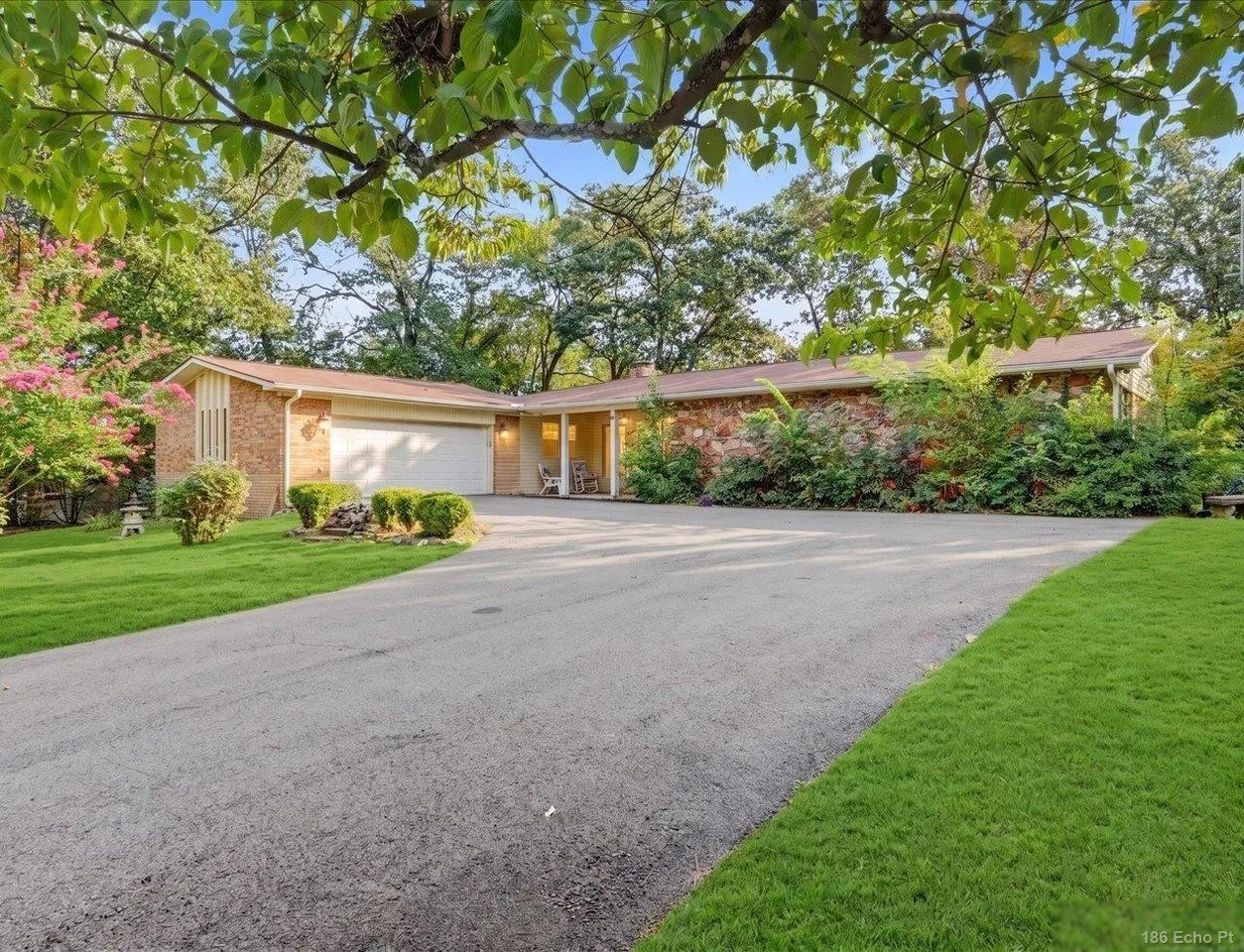
Some buyers reading these notes are weighing a move out of Central Texas. If Hot Springs, Arkansas is on your short list, here is a house we know firsthand — offered for sale or for rent.
Featured listing · Hot Springs, AR
186 Echo Point
A single-level brick ranch, 3 bed / 2 bath, about 2,151 sq ft on roughly 0.84 acres, built 1970, with a detached 28×32 shop. One block off Lake Hamilton with community and public lake access — a lake-area home, not waterfront, and no private dock. For an Austin buyer used to a ~$450K metro median and 2%-plus property tax, the Arkansas math reads differently.
For sale $309,900 · MLS# 26034896For rent $1,800/mo + utilitiesAvailable January 1, 2027
Listed for sale with Nancy Bergeron, Keller Williams / The Bergeron Group; offered for rent by the owner. A block off the lake, not on it.
From the news desk
Latest on the Austin market
We clip the housing and jobs news that actually moves a buyer's decision. A few recent reads:
How Austin tamed home prices
What a cooled-off market means for the person trying to buy into it.
Tech layoffs and the housing market
How the jobs picture feeds through to inventory, prices, and your leverage.
New-home sales rebound
Builders are back in the game, and still the most willing to deal.